Many fans of the beautiful game have seen money both make and break the sport of football. The boom years of the Premier League, beginning in 1992, heralded the arrival of multi-million-pound TV deals that have had a knock-on effect throughout the game worldwide, making working-class sportsmen millionaires – and a select few billionaires.
The 2026 World Cup saw ticket prices hiked to their highest in the competition’s history. A ticket for an early group-stage match in Los Angeles reached a resale value of $1,040 through FIFA’s official platform, according to ESPN. Even souvenirs from the tournament fetched extraordinary sums, with patches of stadium grass reportedly selling for $450. The A-listers came out in their droves as the smell of money filled the air throughout the host nations.
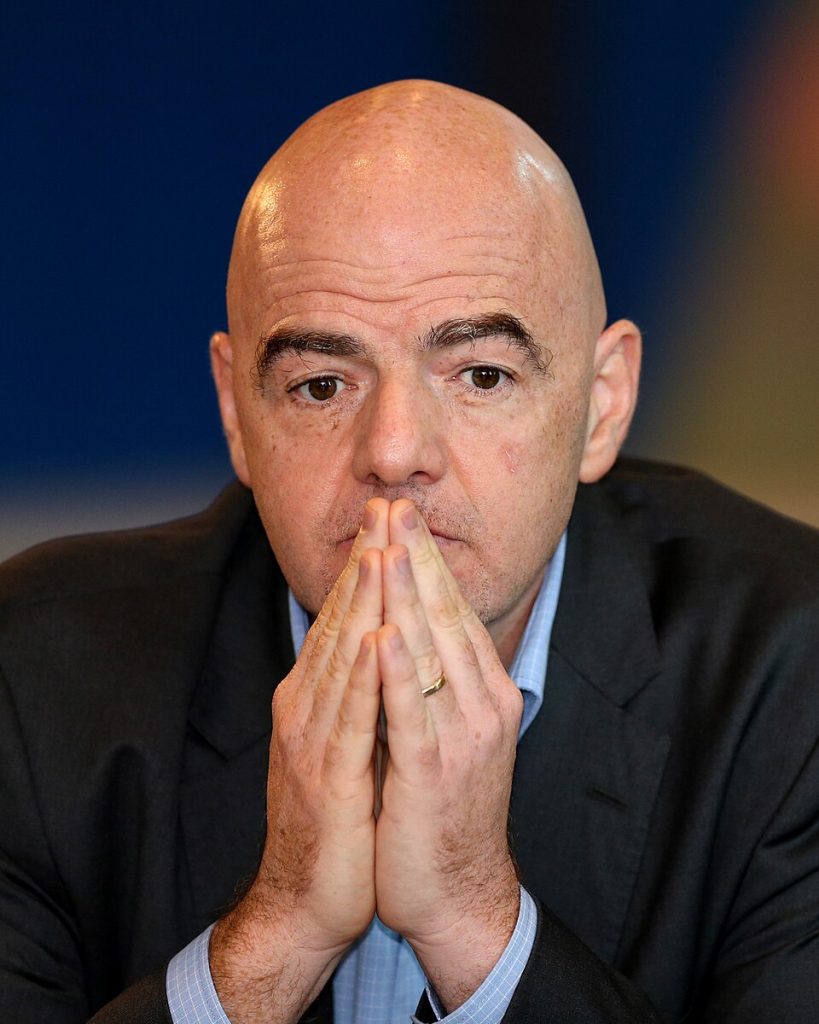
It’s little wonder, then, that whenever FIFA president Gianni Infantino appeared on the big screens, he was met with a chorus of boos from reluctant, big-spending fans. Infantino took over as FIFA president in 2016 following the scandal-hit end of his predecessor Sepp Blatter’s reign. Blatter was banned from football for eight years for “ethics violations”, although the ban was later reduced to six years following an appeal.
Now, the finger of suspicion points directly at Gianni Infantino following revelations that the FIFA president was looking to sell stakes in the World Cup to private investors. One name that emerged during the discussions was Joshua Kushner, the brother of Jared Kushner, who just happens to be President Donald Trump’s son-in-law.
Infantino had already been ridiculed by many on social media for presenting Trump with a new “FIFA Peace Prize” for his work in resolving conflicts around the world – an honour many felt he had done little to deserve. Onlookers viewed the presentation of the award at the World Cup finals draw as a crass sweetener following Donald Trump’s threats to remove matches from Boston because of crime rates in the area.
Now, the FIFA president has nations across world football losing confidence in the head of its global governing body, with support for Infantino being largely withdrawn by various organisations. UEFA firmly stated that “the World Cup is not for sale” as its 55 member associations considered boycotting future tournaments should the plan go ahead.
The pressure has resulted in Infantino shelving the idea of bringing even more wealth into the game, as if there were not enough already. This latest scheme has been yet another controversial episode in the president’s relationship with Donald Trump. After a red card for the United States’ Folarin Balogun in their Round of 32 tie with Bosnia and Herzegovina, Trump reportedly called Infantino in an attempt to get the decision overturned. He was successful, much to the disbelief of the footballing world.
Confidence among the nations under the FIFA banner is waning rapidly in Infantino’s presidency, although the Middle East and Africa continue to pledge support for the under-fire chief. One notable voice of criticism came from his predecessor, Sepp Blatter, who took to X to post: “No one has the right to sell our game.”